
How to Find Influencers for Any Niche
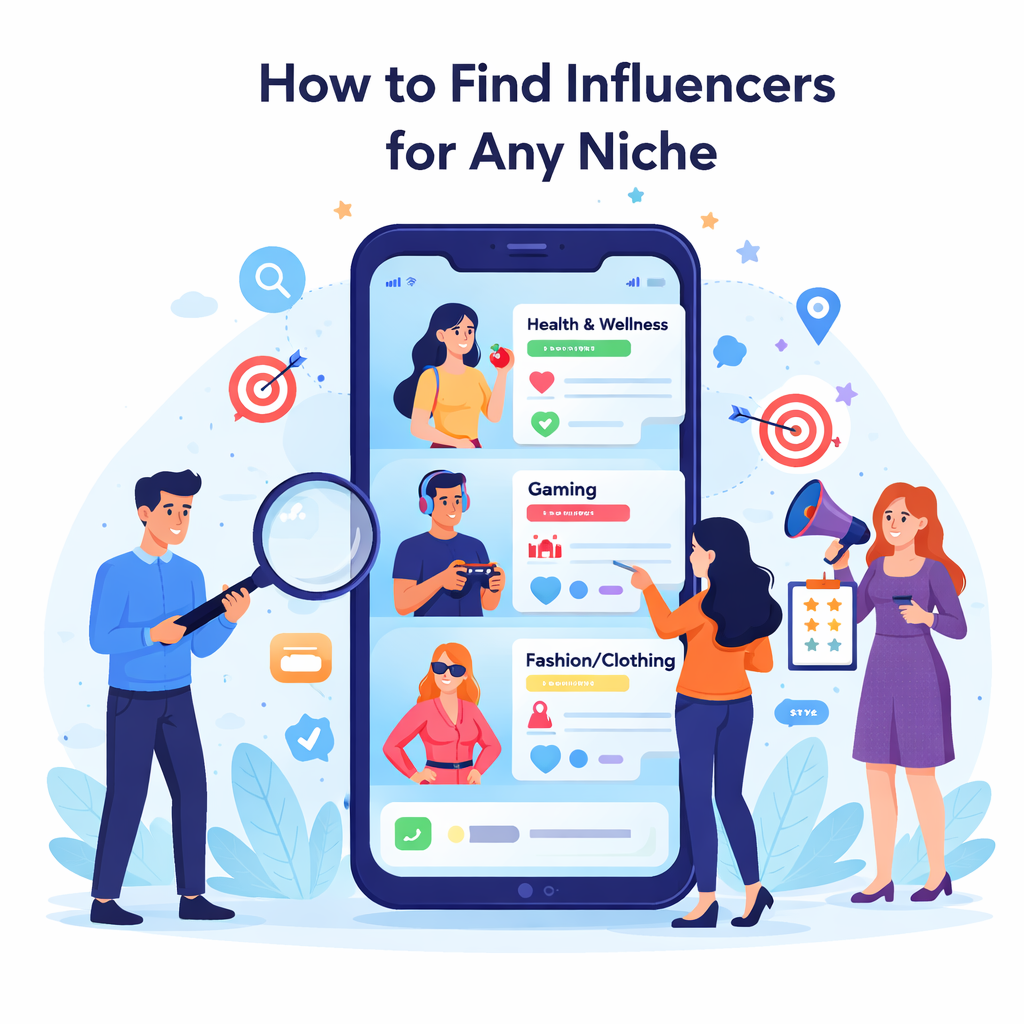
Finding the Right Influencers: Why Strategy Beats Random Outreach
Finding the right influencers is not about sending random direct messages to anyone with a decent follower count. In 2026, influencer discovery is a research-driven process that can determine whether a campaign succeeds or fails. Brands that treat influencer selection casually often waste budget and damage credibility, while those that approach it strategically build partnerships that deliver consistent results. The goal is not to find the biggest creator, but the most relevant one—someone whose audience, values, and content style genuinely align with the brand.
Defining Your Niche and Understanding Your Audience
Before searching for influencers, brands must be absolutely clear about who they want to reach. This means understanding the ideal customer’s interests, content consumption habits, preferred platforms, language, and cultural context. Without this clarity, even a popular influencer will fail to drive meaningful outcomes. For instance, a sustainable fashion brand does not need generic fashion creators. It needs eco-conscious voices who regularly discuss slow fashion, ethical production, mindful shopping, and capsule wardrobes. These creators attract an audience that already believes in sustainability, making brand integration natural and effective rather than forced.
Discovering Influencers Through Manual Social Media Research
Manual research across social platforms remains one of the most reliable ways to identify high-quality influencers. On Instagram, searching niche-specific hashtags rather than broad, crowded ones helps surface creators deeply rooted in a category. Exploring suggested profiles, reviewing location tags for city-based campaigns, and analyzing engagement on similar content often reveals strong potential partners. On YouTube, subscriber numbers alone can be misleading, so brands should focus on view consistency, comment depth, and audience interaction. LinkedIn is especially valuable for B2B brands, as it allows discovery of professionals who consistently share industry insights and spark meaningful discussions. On platforms like Twitter or X, keyword searches, hashtag tracking, and curated lists created by industry experts can uncover creators who actively shape conversations. A fintech startup, for example, searched personal finance–related hashtags, analyzed creator networks, and expanded an initial list of fifteen profiles into fifty viable influencer prospects within a week.
Using Influencer Discovery and Analytics Tools
While manual research builds context, influencer discovery tools help brands scale and validate their findings. Free tools such as Instagram’s Creator Marketplace, YouTube Analytics, Google Alerts, and basic versions of BuzzSumo can provide initial insights. Paid platforms like Qoruz, Collabstr, Upfluence, and HypeAuditor offer advanced filtering based on niche, location, follower range, engagement rate, and audience demographics, while also helping detect fake followers. A health brand used an India-focused platform to identify eighty fitness creators in tier-two cities with strong engagement in less than an hour, something that would have taken weeks manually. These tools allow brands to move from intuition-based choices to data-backed decisions.
Finding Influencers Within Your Existing Community
One of the most effective yet overlooked strategies is identifying influencers who already interact with your brand. Monitoring brand mentions across platforms and analyzing who consistently comments, shares, or creates content about your product often reveals passionate supporters. These individuals already trust the brand and communicate authentically with their audience. An organic skincare brand discovered a customer in Jaipur who regularly posted detailed reviews to her eight thousand followers. Instead of paying for promotion, the brand built a relationship with her, and she became one of their most trusted advocates because her recommendations felt real and unsponsored.
Learning from Competitor Collaborations
Studying competitor campaigns can provide valuable insights without copying their strategy. By reviewing competitor tags, branded hashtags, influencer mentions, YouTube reviews, and story reshares, brands can identify creators who already understand the product category. These influencers require less education and are often open to working with similar brands. A Mumbai-based cloud kitchen analyzed which food bloggers reviewed its top competitors and identified thirty active local creators, half of whom responded positively to collaboration requests. This approach saves time and reveals creators who are already influential within the niche.
Evaluating Influencer Quality Over Follower Count
Follower numbers alone are not a reliable indicator of influence. Brands must evaluate engagement quality, authenticity, and audience relevance. Calculating engagement rate using likes and comments relative to follower count helps identify creators whose audiences are genuinely active. It is equally important to review comment sections for real conversations rather than emoji spam, check for sudden follower spikes, and analyze audience demographics. Tools like HypeAuditor help detect fake followers and bot engagement. A premium watch brand avoided a costly mistake by discovering that nearly forty percent of a potential partner’s followers were fake, despite a seemingly impressive follower count.
Ensuring Values and Brand Alignment
Beyond metrics, value alignment is critical for long-term success. Brands should evaluate whether an influencer’s lifestyle, beliefs, and past collaborations align naturally with the brand’s identity. Promoting conflicting brands, inconsistent messaging, or forced endorsements can damage credibility. An eco-friendly brand intentionally partnered with a parent blogger who already practiced sustainable living in her daily life, from composting to cloth diapers. Her audience trusted her eco-friendly recommendations because they reflected her real lifestyle, not a one-time paid promotion.
Organizing and Prioritizing Your Influencer List
Once potential influencers are identified, organizing them systematically helps streamline outreach and decision-making. Maintaining a detailed list that includes platform, niche, engagement rate, audience demographics, and collaboration priority allows brands to compare options objectively. A balanced mix of nano, micro, and larger influencers ensures both authenticity and reach, preventing over-reliance on a single creator type.
Exploring Niche-Specific Influencer Platforms
Different industries thrive on different platforms, and understanding this helps brands focus their efforts effectively. Tech and SaaS brands often find their strongest influencers on LinkedIn, YouTube, Twitter, and product-focused communities. Beauty brands benefit from Instagram, YouTube, and dermatologist-led content. Food brands perform well with Instagram creators, YouTube channels, and food review platforms. Fitness, parenting, and B2B niches each have distinct ecosystems where influence naturally lives. One B2B marketing tool discovered that its highest-performing influencers were LinkedIn creators discussing SaaS and growth strategies rather than Instagram personalities.
Final Checks Before Reaching Out
Before initiating collaboration, brands should conduct final background checks by reviewing recent content, consistency, professional behavior, and any past controversies. Understanding how an influencer has handled previous brand partnerships helps predict future collaboration quality. This final step ensures that the partnership strengthens brand reputation rather than creating risk.
Final Perspective
Finding the right influencers is not about speed or scale—it is about relevance, trust, and alignment. Brands that invest time in research, validation, and relationship-building consistently outperform those chasing follower counts. When influencer discovery is done thoughtfully, collaborations feel natural, audiences respond positively, and campaigns deliver real business impact rather than empty impressions.